Healing Through Presence and Grace: Honoring Our Pathways Chaplains
October 18–24, 2026, is Spiritual Care Week, also known as Pastoral Care Week—a time to recognize and celebrate the chaplains, pastoral care counselors, educators, and spiritual care providers who accompany people through some of life’s most meaningful and challenging moments.
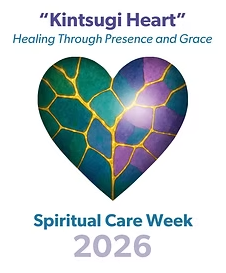
This year’s theme, “Healing Through Presence and Grace,” offers a beautiful reflection on the role of spiritual care. The theme features kintsugi, the Japanese art of repairing broken pottery with precious metals.
Kintsugi does not attempt to hide the cracks in something that has been broken. Instead, it honors them as part of the object’s history. The repaired piece becomes something different—not because it was never broken, but because its brokenness has been acknowledged and transformed.
There is a powerful connection between this tradition and the work of hospice chaplains.
The Healing Power of Presence
Hospice is a time when people and families may experience profound changes, grief, uncertainty, and questions about what comes next. Chaplains provide a compassionate presence during these moments.
Sometimes that means listening to a patient reflect on their life. Sometimes it means sitting quietly beside someone who is struggling. A chaplain may offer prayer, participate in a religious ritual, help someone explore questions of meaning, or simply provide a safe and supportive space for whatever a person is feeling.
There is no single way to experience spirituality, grief, or meaning.
That is why our Pathways chaplains meet people where they are.
Spiritual Care for People of All Faiths
At Pathways, our chaplains provide support to people of all faiths, spiritual traditions, and beliefs. They also welcome and support people who do not identify with a particular religion.
Spiritual care is not about promoting one belief system. It is about honoring each person's individual values, traditions, beliefs, questions, and wishes.
For some, spiritual care may involve prayer or scripture. For others, it may mean talking about family, relationships, memories, nature, purpose, forgiveness, or the legacy they hope to leave behind.
And sometimes, spiritual care simply means having someone there who is willing to listen.
Walking Alongside Patients and Families
Chaplains don't necessarily try to "fix" grief or provide easy answers to difficult questions. Instead, they walk alongside patients and families.
That companionship can be deeply meaningful.
In the midst of loss, people may need space to tell their stories. They may want to celebrate a life, reconcile a relationship, express fears, share gratitude, or simply be heard.
Our chaplains offer that space with compassion and without judgment.
Their presence reminds patients and families that they do not have to navigate these moments alone.
Honoring Our Chaplains
Spiritual Care Week gives us an opportunity to recognize the quiet, profound work of our Pathways chaplains.
Every visit, conversation, prayer, moment of silence, and listening ear represents an opportunity to bring comfort and connection to someone who needs it.
Like the golden seams of kintsugi, their work does not erase the pain of loss. Instead, it helps people acknowledge what has happened and discover moments of connection, meaning, and resilience along the way.
To our Pathways chaplains: thank you.
Thank you for showing up with compassion. Thank you for listening. Thank you for honoring every person's unique beliefs and experiences. And thank you for offering the gift of your presence when words may not be enough.
During Spiritual Care Week, we celebrate you and the difference you make for patients, families, and our entire hospice community.
Healing can begin with something as simple—and as powerful—as being present.
Go Back