When Memory Fades, Compassion Grows: Hospice Care for Dementia & Alzheimer's Disease
By Natalie Petersen, Pathways Director of Business Development
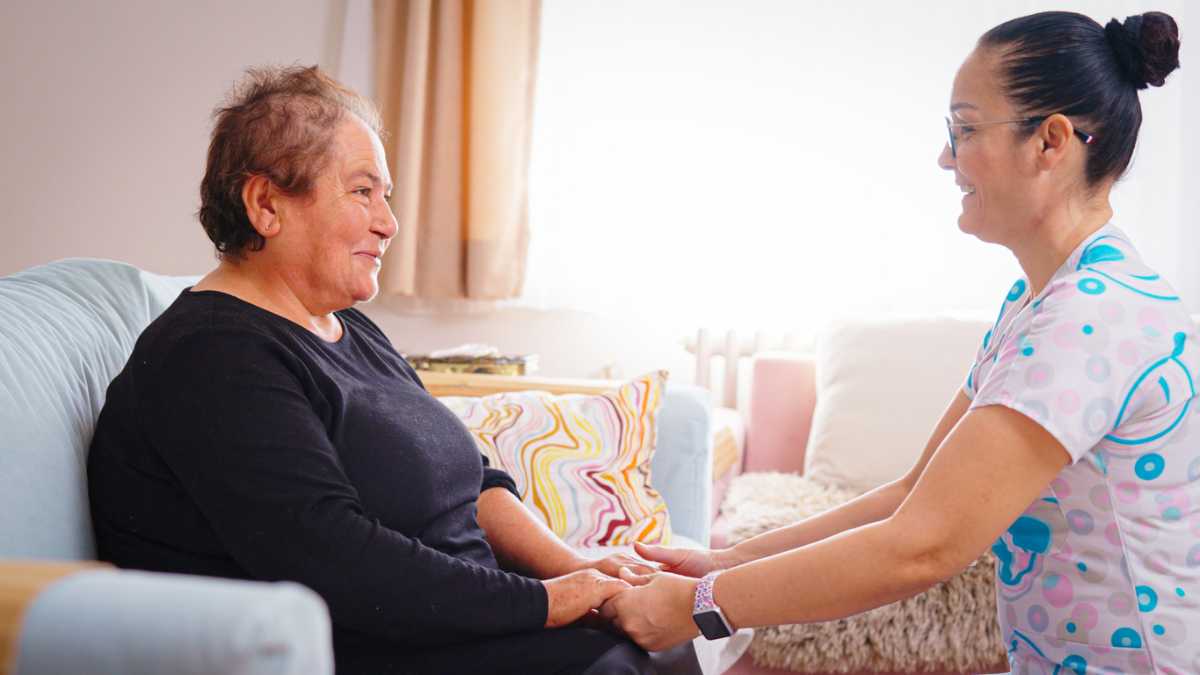
Alzheimer's disease and other forms of dementia touch millions of families each year. Today, nearly 7 million Americans age 65 and older are living with Alzheimer's disease, and that number is expected to continue growing as our population ages. Beyond those diagnosed, dementia impacts spouses, adult children, grandchildren, friends, and caregivers—often for years before hospice is ever considered.
Unlike many illnesses, dementia doesn't follow a straight path. Families experience a gradual series of losses as memories fade, personalities change, conversations become more difficult, and independence slowly slips away. Caregivers often find themselves balancing full-time jobs, raising families, managing medications, attending appointments, and providing around-the-clock support, all while grieving the person they love. It can be emotionally exhausting, physically demanding, and incredibly isolating.
One of the most common questions we hear is, "How will I know when it's time for hospice?"
What many people don't realize is that Alzheimer's disease and other forms of dementia are among the most common diagnoses for patients receiving hospice care. Hospice eligibility isn't based on a diagnosis alone. Instead, it's determined by a person's overall decline, prognosis, and goals of care. As dementia progresses, increasing dependence with daily activities, difficulty swallowing, frequent infections, falls, weight loss, limited communication, and changes in mobility may all signal it's time to explore additional support.
Hospice care focuses on comfort, dignity, and quality of life. An interdisciplinary team works alongside the patient and family to manage symptoms, provide personal care, coordinate medications and equipment related to the terminal diagnosis, and offer emotional, spiritual, and practical support. Care is available wherever the patient calls home, with 24/7 access to a hospice team when questions or concerns arise.
Perhaps one of hospice's greatest gifts is the support it provides to caregivers. No one should have to navigate dementia alone. Families receive education, guidance, reassurance, and the confidence of knowing they have experienced professionals walking beside them every step of the way.
One phrase we hear again and again is, "I wish we'd called sooner." Not because families were giving up hope, but because they didn't realize how much support hospice could provide while they continued making the most of their time together.
If you're caring for someone with Alzheimer's disease or another form of dementia and wondering whether hospice might be appropriate, start the conversation. Talk with your loved one's primary care provider or specialist about how the disease is progressing, what to expect, and whether hospice may be the right next step. Your physician knows your loved one's medical history and can help determine when additional support would be beneficial.
You don't have to wait until a decision has been made to reach out to Pathways, either. We're always happy to answer questions, explain how hospice works, and help families understand their options.
Sometimes the most important step isn't making a decision. It's simply having the conversation.
Go Back