How to Choose a Hospice: Questions Worth Asking Before You Decide
By Natalie Petersen, Pathways Director of Business Development
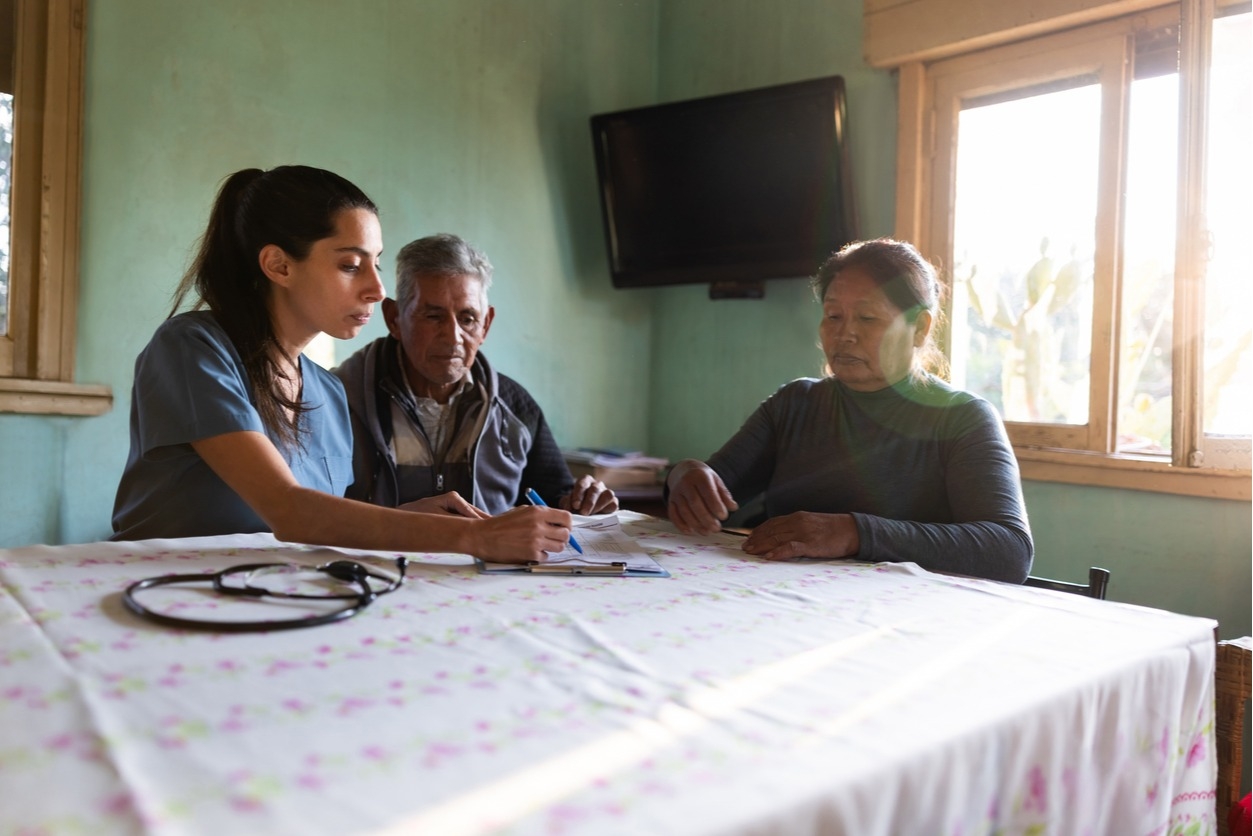
Decisions come fast and heavy when you or someone you love are facing a life-limiting illness. Choosing a hospice provider to help navigate the journey is one of the most significant among them. It shapes the days and weeks ahead, for the patient and for everyone who loves them.
The good news is that you and your family do not have to make decisions in the dark. There are real tools, real questions, and real data that can help you choose well.
Start With What Matters Most to You
Before you call a single hospice, take a few minutes to name what matters. Is it having caregivers who know your loved one's history? Is it around-the-clock access to a nurse when symptoms shift at 2 a.m.? Is it knowing that emotional and spiritual support will extend to your whole family, not just the patient?
Hospices are not interchangeable. They vary in size, culture, responsiveness, and depth of service. Knowing your priorities before you start asking questions helps you hear the answers more clearly.
Questions That Reveal How a Hospice Actually Operates
Medicare has published a suggested checklist for families choosing hospice care, and it's a useful place to start. The questions below are drawn from that framework and organized around what they're really trying to surface. You can see the full checklist here: Suggested Questions to Ask When Choosing a Hospice
About consistency and access: How many patients is each nurse carrying? What happens after business hours — nights, weekends, holidays? When you call with something urgent, what does response time actually look like?
These aren't logistical questions. They are questions about whether care will feel continuous and held, or fragmented and reactive.
About symptom management: How will pain and other symptoms be managed at home? What happens if symptoms become uncontrollable — is there a pathway to inpatient care? Can your loved one continue current medications?
Pain management is the center of hospice's clinical promise. A good hospice should be able to explain their approach with specificity and confidence.
About communication: How will the hospice team keep you informed? Will you be included in care decisions, or handed a plan? How does the team prepare families for what to expect as things progress?
The best hospice teams treat families as partners. They communicate proactively, not only when something goes wrong.
About caregiver support: What happens if you need a break? What if home care becomes more than you can manage? How will the team support you emotionally — not just your loved one, but you — through the grief that comes both before and after?
Hospice care is designed to hold the whole family. If a hospice can't speak clearly to caregiver support, that's worth noting.
What the Data Can Tell You
Once you have a sense of what questions matter to you, Medicare's Care Compare tool gives you a way to compare hospices using real patient and family feedback. The data comes from CAHPS — the Consumer Assessment of Healthcare Providers and Systems survey — which gathers responses from families who have actually been through hospice care with a given provider.
Care Compare shows star ratings across several categories: communication, getting timely care, treating patients with respect, and overall family experience. A four-star or five-star rating in family experience is meaningful. It reflects patterns reported by real families, not marketing language.
That said, ratings are a starting point, not a final answer. A four-star hospice that serves your geographic area and aligns with your values will serve you better than a five-star hospice that doesn't fit your situation. Use the data to narrow your list, then use your conversations to make the call.
Trust What You Hear in the Conversation
When you call or meet with a hospice, notice how they talk. Do they listen before they explain? Do they answer your questions directly, or steer toward brochure language? Do they acknowledge the weight of what you're facing, or treat this like a routine intake?
The people who show up at your door — nurses, social workers, chaplains, aides — will be present for some of the most intimate moments of your family's life. How a hospice communicates before care begins often reflects how they will show up once it does.
A Word About Pathways
Pathways Hospice and Palliative Care has been serving patients and families in Larimer and Weld Counties since 1978. We are a nonprofit hospice, which means our sole focus is the people we serve. We hold a four-star CMS rating, and we'd welcome the chance to answer any of the questions above — not to make a case for ourselves, but because you deserve complete information.
If you're in the process of choosing, we're happy to be one of the hospices you talk to. You can reach us at pathways-care.org.
This decision is one of the most human ones you will ever make. Take the time it deserves. Ask the hard questions. And trust that the right care — held by the right people — is worth finding.
Go Back